
When independent authors and small publishers plan their children’s book projects, one of the biggest early decisions is choosing the right format. Two common choices are board books and hardcover books, and while both have their strengths, they serve very different purposes — especially when your audience includes babies and toddlers.
Understanding the differences can help you make smart decisions about production, durability, safety, and reader experience.
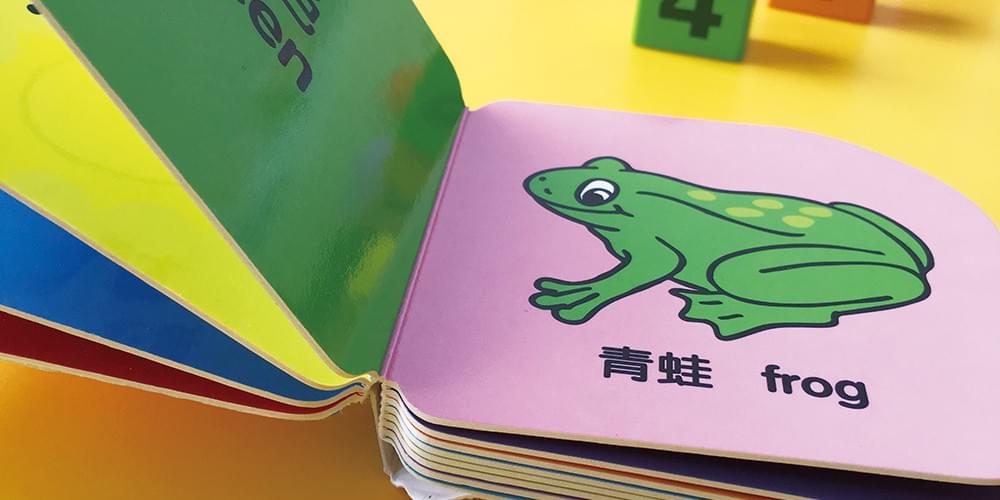
Board books are designed specifically for young children — typically newborns up to preschool age. Unlike traditional books, every page in a board book is made of thick, sturdy paperboard, not printed paper glued into a cover.
Because of this construction:
The pages stand up to chewing, throwing, bending, and heavy handling
- The books often have rounded corners for child safety
- They are small, lightweight, and easy for little hands to hold
- Board books don’t just look cute — they are safer and more durable for early readers, which is why many parents start with board books long before introducing paperbacks or hardcovers.
How Hardcover Books Differ
Hardcover books have a traditional stiff outer cover with inner pages printed on standard book paper.
This format is often chosen for:
Older children whose fine motor skills are more developed
- Stories that need more pages or complex layouts
- Keepsake books intended to last for years
- While hardcover books are durable for adult or older child use, they are not inherently designed to withstand the kinds of wear and tear that board books routinely endure.
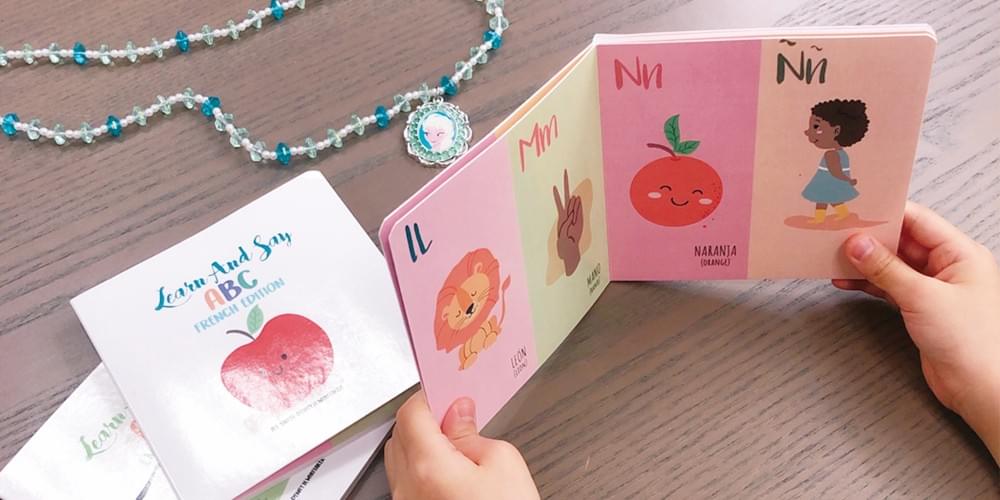
Board Book vs Hardcover — Key Differences
Here’s a quick breakdown of how the two formats compare:
Durability & Handling
- Board books excel with infants and toddlers because the thick board pages resist tearing and chewing.
- Hardcovers have strong covers but delicate internal pages that can still tear if handled roughly.
Safety & Age Suitability
- Board books are safer for very young readers due to rounded corners and chew-proof pages.
- Hardcovers are better suited for older children who understand how to treat a book.
Purpose & Experience
- Board books are ideal for early literacy, sensory exploration, and play.
- Hardcovers are better for narrative depth and lasting keepsakes.
Which One Should You Choose?
There’s no one right answer for every creator — it depends on your audience and goals:
- If you’re creating a book for babies and toddlers, board books are usually the best choice.
- If you want a story with more pages and intended for older kids, hardcover might be more appropriate.
For many independent authors, starting with a board book is a smart way to enter the market, build a reader base, and create a product that parents and caregivers love because it survives everyday use.
Why Board Book Production Matters?
At Call2Print, we focus on professional board book printing that supports independent authors and small publishers who want:
- Durable, child-ready products
- Flexible production options
- Quality results that reflect your story and vision
Board books and hardcover books are both valuable formats — but for very young readers, board books offer a combination of durability, safety, and experience that is hard to beat.