• Board Book Safety Certifications Explanation

    Do Board Books Need CPSIA or ASTM F963 Certification?

    If you’re publishing children’s books for the US or European market, you’ve probably come across terms like CPSIA, ASTM F963, EN71, or CPSC compliance.

    Many first-time publishers aren’t sure which certifications are actually required, who is responsible for obtaining them, or whether every board book manufacturer already holds these certificates.

    This guide explains the differences and how we help our clients ensure their products meet the necessary safety requirements.

  • Children's Book Safety Certifications

    Why Safety Certification Matters

    Children’s board books are designed for babies and toddlers who frequently touch, chew and handle books.

    For that reason, publishers, retailers and distributors naturally place great importance on product safety.

    Safety standards typically focus on:

    Section image

    Heavy metal limits

    Section image

    Harmful Chemicals

    Section image

    Non-toxic inks

    Section image

    Child-safe adhesives

    Section image

    Safe paper materials

    Section image

    Durable construction

    Section image

    Safe finishing

    Although different countries use different regulations, their objectives are largely the same: ensuring children’s products are safe during normal use.

  • Children's Book Safety Certifications

    Understanding the Major Standards

    CPSIA

    Market: USA

    Purpose: Children’s Product Safety Improvement Act

    ASTM F963

    Market: USA

    Purpose: Toy Safety Standard

    EN71

    Market: Europe

    Purpose: European Toy Safety Standard

    GB 43631

    Market: China

    Purpose: Children’s Paper Product Safety Standard

  • At Call2Print, product safety is built into our manufacturing process — not treated as an optional extra.

    Our factory is certified under GB 43631, China’s mandatory national safety specification for children’s paper products. The GB 43631 standard was developed with significant reference to Europe’s EN71 framework. In several chemical migration limits, it is considered equally stringent or even more restrictive.

  • Children's Book Safety Certifications

    Premium Materials Matter

    We believe children’s books should never be manufactured using anonymous or low-cost materials.

    That’s why we source from internationally recognized suppliers whenever possible.

    These suppliers are widely recognized throughout the global printing industry for their consistency, safety and quality.

    Section image

    Oji Paper (Japan)

    Section image

    Soy-based eco-friendly inks

    Section image

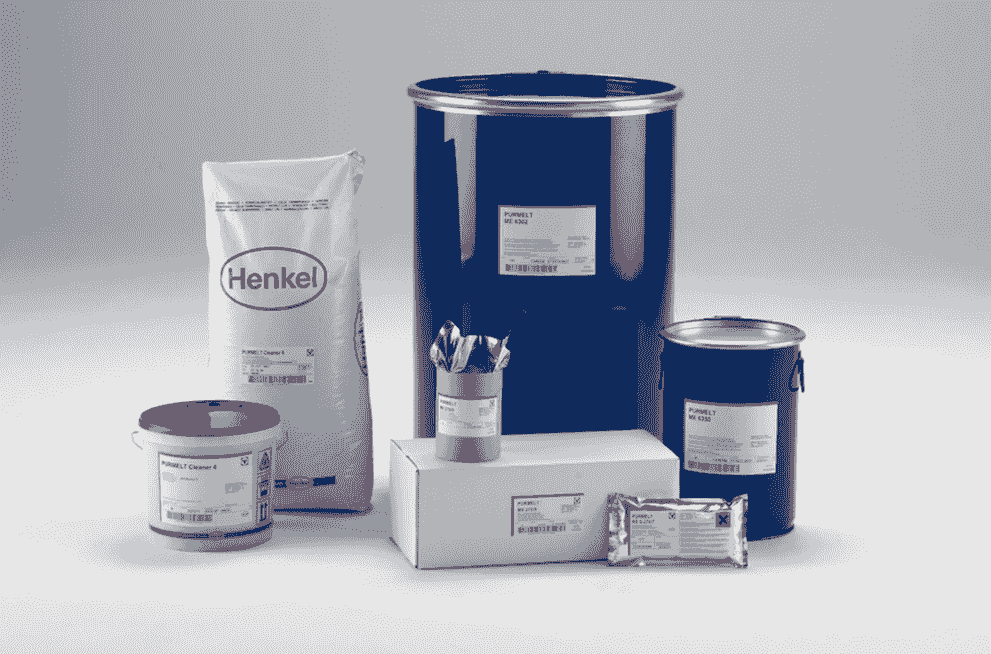
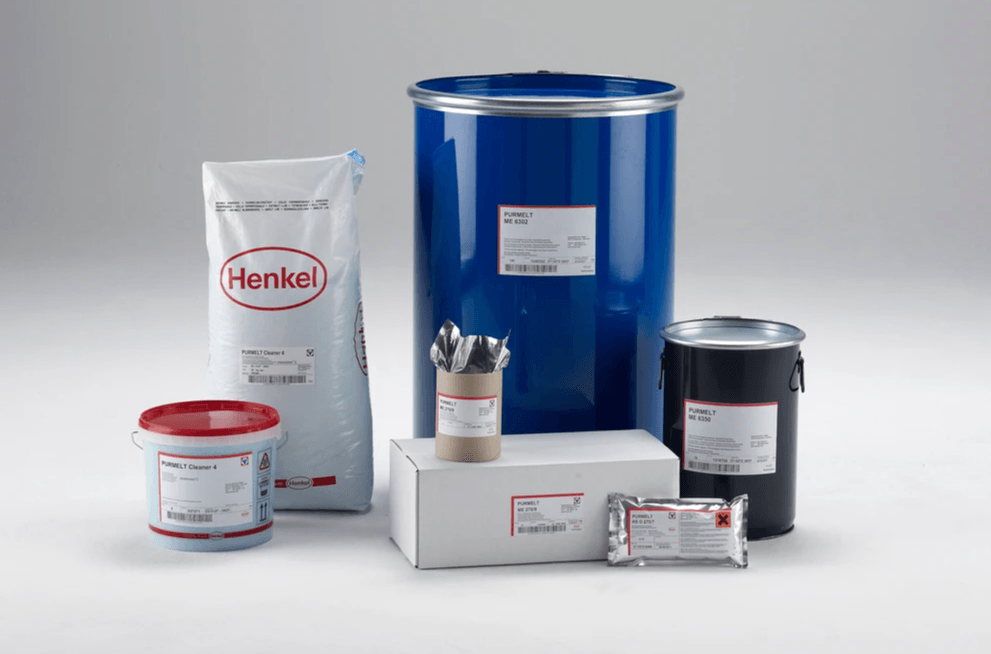
    Henkel (Germany)

    Section image

    H.B. Fuller (USA)

  • What About CPSIA and ASTM F963?

    One of the biggest misunderstandings is that manufacturers “hold” CPSIA certificates.

    In reality, CPSIA compliance is typically demonstrated through testing of the finished product for a specific production batch. Different customers, retailers and importers may request different testing scopes depending on their market.

    If required, we are happy to coordinate testing with internationally accredited laboratories, including:

    • SGS
    • Intertek
    • Bureau Veritas

    To obtain the reports needed for your shipment.

    This approach ensures the certification matches your exact product rather than relying on generic historical reports.