
- Commercial Printing
- Exhibition & Events
- Contact
- …
- Commercial Printing
- Exhibition & Events
- Contact
- Commercial Printing
- Exhibition & Events
- Contact
- …
- Commercial Printing
- Exhibition & Events
- Contact
How to Request an Accurate Hardcover Book Printing Quote
If you’re publishing your first book, one of the biggest surprises is how different printing quotations can be.
Many authors send inquiries like:
“I have a children’s book with 46 pages. Can you give me a price?”
or
“I’d like to print 500 hardcover books.”
While that’s a great start, it’s usually not enough information for a printer to provide an accurate quotation.
You Better to Know
Apollo will Say...
Many first-time authors think printers calculate prices from the number of pages alone. In reality, that’s only one small part of the equation. A hardcover book is a combination of dozens of production decisions — paper, binding, finishing, packaging, and shipping all influence the final cost. The more clearly you define your project, the more accurate and meaningful your quotation will be.
Book Size Matters
Page Quality Matters
Binding Style Matters
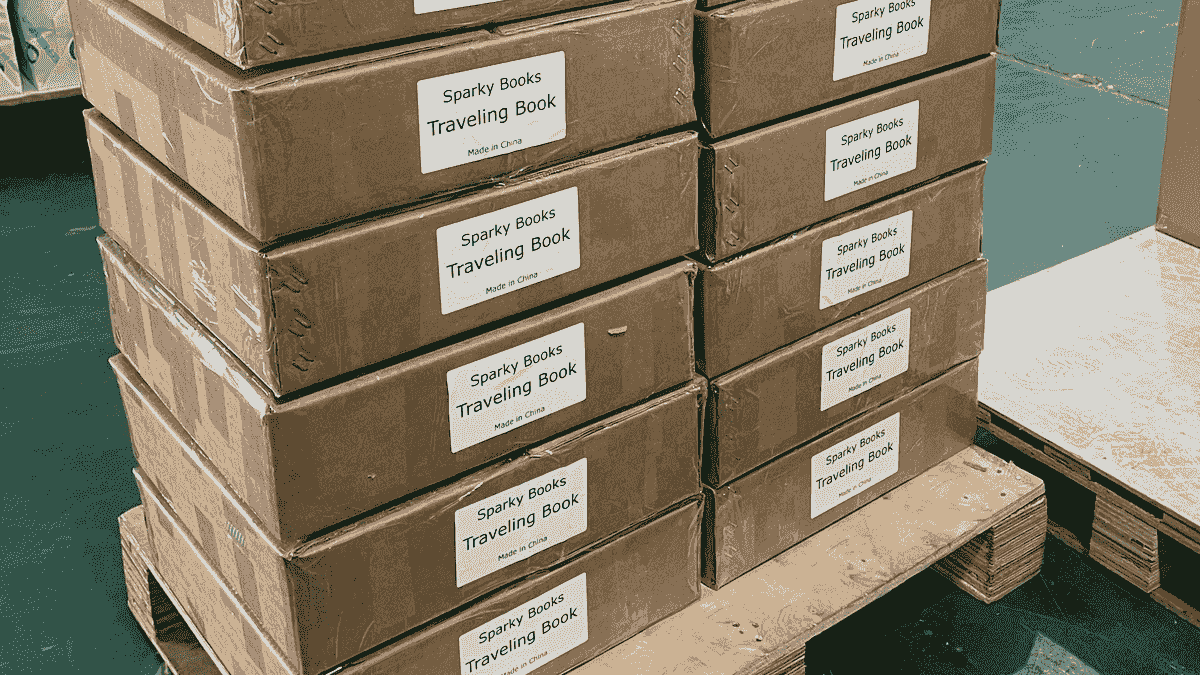
Packing Matters, too
The good news is that
You don’t need to become a printing expert.
You simply need to prepare a few key details before requesting a quote. Once you have them, any professional printer can calculate pricing much more accurately — and you’ll avoid several rounds of back-and-forth emails.
1. What Type of Book Are You Printing?
The first thing your printer needs to know is the binding style.
For example:
- Hardcover Book
- Softcover (paperback)
- Board Book
- Spiral-Bound Book
Even if two books have exactly the same page count, changing from paperback to hardcover can significantly affect production methods and cost.
2. How Many Interior Pages Does Your Book Have?
Page count is one of the biggest pricing factors.
Instead of saying:
“Around 100 pages”
it’s much better to say:
96 pages or 104 pages
The more accurate your page count is, the more accurate your quotation will be.
If your artwork isn’t completely finished yet, an estimated page count is still helpful.
3. What Size Will the Book Be?
Book size determines paper usage, printing layout and binding methods.
Examples include:
- 6 × 9 inches
- 8 × 10 inches
- A4
- US Letter
- Custom size
If you’re not sure which size is best, simply tell your printer the type of book you’re creating. An experienced printer can usually recommend common industry sizes.
4. Which Paper Would You Like for the Interior Pages?
This is where many first-time authors get stuck. You don’t need to know every paper available.
Instead, think about questions like:
- Do you want glossy pages?
- Or a matte, natural feel?
- Is this a children’s picture book?
- A photography book?
- A novel?
If you already know the paper, great.
If not, simply describe the look and feel you’re hoping to achieve, and your printer can recommend suitable options.
5. How Will the Interior Pages Be Printed?
Most books use: Full-Color (CMYK)
However, some books also use:
- Black on
- Black + one spot color
- Pantone spot colors
If you’re unsure, just tell your printer how your artwork was designed.
6. What About the Endpapers?
Many first-time authors don’t even know hardcover books have endpapers.
These are the sheets connecting the inside pages to the cover.
Common options include:
- Plain white
- Colored paper
- Textured art paper
- Printed endpapers with illustrations
Printed endpapers can make a hardcover book feel much more premium.
7. How Would You Like the Cover Finished?
The cover finish changes both appearance and durability.
Common choices are:
- Matte lamination
- Gloss lamination
- Soft-touch lamination
Optional premium finishes include:
- Foil stamping
- Spot UV
- Embossing
- Debossing
You don’t have to choose all of these — many beautiful books use only matte lamination.
8. Will Your Book Have a Dust Jacket?
Not every hardcover book includes one.
There are generally two styles:
- Casebound only
- Casebound with a printed dust jacket
If you’re producing an art book, coffee table book or premium edition, a dust jacket may be worth considering.
9. Does Each Book Need Individual Shrink Wrapping?
This small detail can affect packing costs.
Some customers prefer:
- No wrapping
- Individual shrink wrap
- Multiple books packed together
If you’re selling through bookstores or Amazon, shrink wrapping is often recommended.
10. Finally, How Many Copies Would You Like?
Quantity has one of the biggest impacts on unit cost.
For example:
- 300 copies
- 500 copies
- 1,000 copies
- 5,000 copies
If you’re comparing budgets, ask for quotations at two different quantities.
Many authors are surprised by how much the unit price changes.
You Better to Know
What is Ending Page?


A Simple Hardcover Printing Quote Checklist
Before contacting your printer, prepare:
✅ Book size
✅ Page count
✅ Binding type
✅ Interior paper
✅ Color printing
✅ Endpapers
✅ Cover finishing
✅ Dust jacket (Yes / No)
✅ Shrink wrapping (Yes / No)
✅ Quantity
With these details, your printer can usually prepare a professional quotation quickly and accurately.




POPULAR PRODUCTS
Comic Book Printing
Brochure Printing
Roll Up Banner Printing
Backdrop Printing
SEG Lightboxes
WHY CALL2PRINT
✓ Family-Owned since 1993
✓ English-Speaking Team
✓ Factory Direct Pricing
✓ Worldwide Delivery
✓ Professional Project Management
✓ Trusted by Customers Worldwide
Copyright © 1993 - 2026 Call2Print Shanghai China Inc. All Right Reserved | Privacy Policy
Your English-Speaking Printing & Event Production Partner in China.